



Dog Vaccinations – Essential Information and Guidelines
Dog Vaccinations
Have you kept your pet’s vaccinations up to date? Vaccinations are essential for a dog’s health and well-being, effectively preventing several contagious diseases and viruses.
The purpose of vaccination is to protect dogs from dangerous illnesses, and keeping vaccinations current is vital. Following the recommended vaccination schedule secures your pet’s health and reduces the spread of infectious diseases. Regular vaccination benefits both individual animals and the wider community through herd immunity.
Why Dog Vaccinations Are Essential
Vaccinations are a key part of responsible pet ownership and animal healthcare. They offer strong protection against serious—even fatal—viral and bacterial infections, including distemper, hepatitis, rabies, and parvovirus. Vaccines stimulate the dog’s immune system to produce antibodies that help fight these pathogens if the dog is exposed to them later.
Vaccinating your dog gives them the necessary defence mechanisms to stay healthy. Vaccinations are also important for public health since some dog diseases, such as rabies, are zoonotic and can spread from animals to humans.

Diseases Vaccinations Protect Against
A dog’s vaccination programme covers several serious pathogens, the most significant of which are rabies, distemper, parvovirus, and infectious hepatitis. These diseases can lead to severe illness or even death. Vaccinations are essential for preventing these infectious diseases from spreading within the dog population. They not only protect individual dogs but also promote the development of herd immunity, which reduces the risk of illness even for unvaccinated animals.
Vaccination protects not only the individual but the entire population.
Especially in urban environments, such as Helsinki, vaccinations are critical for controlling infectious diseases. In densely populated areas, the risk of disease transmission is higher, and therefore vaccinations help safeguard the health and well-being of both pets and their owners.
The Importance of Herd Immunity
Herd immunity refers to a phenomenon in which a high proportion of vaccinated individuals protects the entire community from the spread of diseases.
- Prevention of disease transmission: When most dogs are vaccinated, the spread of infectious diseases is effectively reduced.
- Protection of vulnerable individuals: Unvaccinated and immunocompromised dogs receive indirect protection.
- Disease elimination: Long-term, widespread vaccination can lead to the regional eradication of diseases.
Herd immunity reduces the prevalence of the most dangerous diseases within the dog population. Even unvaccinated individuals have a lower risk of becoming ill when herd immunity is strong.
Dog Vaccination Schedule
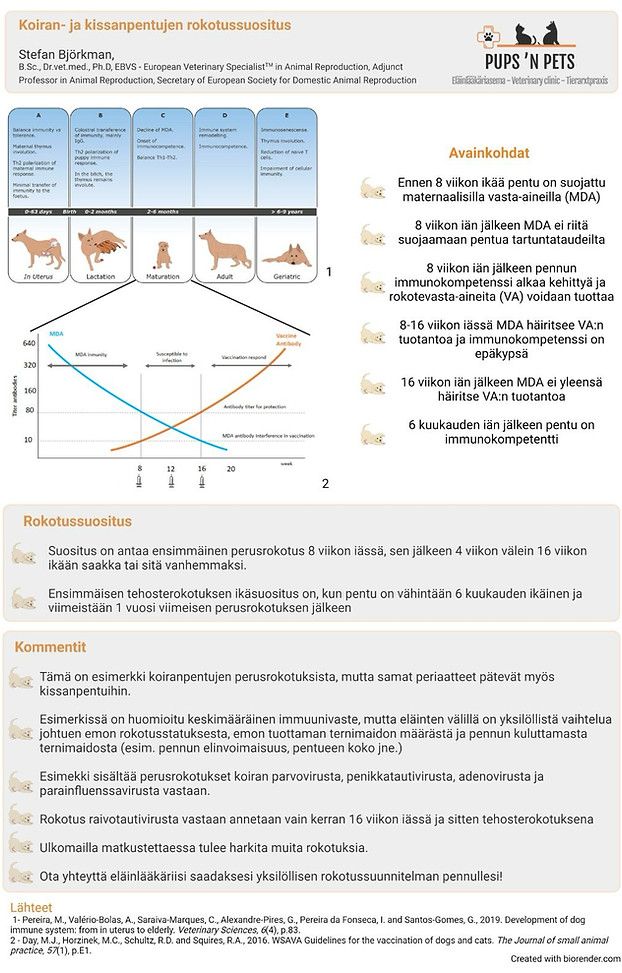
The first combination vaccine (protecting against distemper, infectious hepatitis, parvovirus, and kennel cough) is usually given during puppyhood, as early as 6–8 weeks of age, followed by a booster at around 12 weeks. A second booster is given at 16 weeks of age, at which time the rabies vaccine is also administered. For travel to countries south of Finland, we also recommend the leptospirosis vaccine.
Ask your veterinarian for an individual vaccination plan!
Adult dog vaccinations are renewed regularly, typically annually (kennel cough and leptospirosis) or every three years (combination vaccine and rabies), depending on the vaccine type and the manufacturer’s recommendations. Following and maintaining the vaccination schedule carefully is essential for preventing infectious diseases and keeping the dog population in Helsinki healthy.
The first vaccinations of a puppy
A puppy’s vaccination programme is an essential part of its healthcare and long-term protection. Each vaccination visit always includes a basic health check.
- 6–8 weeks: The first vaccination is given, providing protection against distemper, infectious hepatitis, parvovirus, and kennel cough (the combination vaccine).
- 12 weeks: The second dose of the combination vaccine.
- 16 weeks: The third dose provides additional protection and strengthens the puppy’s immune system. The rabies vaccine is also administered at this time if it has not been given earlier.
- 1 year: A booster vaccination ensures long-lasting immunity against these diseases.
The immune system develops rapidly during puppyhood, and vaccinations play a crucial role in this process. Vaccination information is recorded in the dog’s medical file as well as the vaccination card or EU pet passport.
Annual booster vaccinations
Annual booster vaccinations are an essential part of maintaining your dog’s health. They provide long-term, continuous protection against several infectious diseases. In addition, regular basic check-ups with a veterinarian help detect other health issues at an early stage.
It is important to understand that the need for boosters and the recommended intervals vary depending on the vaccine and the manufacturer’s guidelines. These recommended intervals are based on scientific evidence and clinical studies that consider the effectiveness and duration of each vaccine. Before renewing vaccinations, owners should consult their veterinarian to ensure the vaccination plan is tailored to their dog’s individual needs.
Side Effects of Vaccinations and How to Manage Them
Vaccine side effects are usually mild and temporary. Typical symptoms may include swelling, slight warmth or tenderness at the injection site, as well as temporary fatigue or reduced appetite. These reactions result from the body’s immune response as it builds protection and are a sign that the vaccine is working. For particularly sensitive dogs, the vaccination plan can be adjusted, and potential reactions can be anticipated in advance.
If more severe symptoms occur after vaccination—such as difficulty breathing, widespread rash, or significant weakness—immediate contact with a veterinarian is essential. These signs may indicate an anaphylactic reaction, which requires urgent treatment. By following the veterinarian’s instructions, the risk of side effects can be minimised and the dog’s vaccination experience improved.


Vaccinations and Travelling
International travel with a dog requires, above all, a valid rabies vaccination. Many countries also require other vaccinations to be up to date, along with specific health checks before the planned trip. When travelling within the EU, the dog must be microchipped and have a European Union pet passport, in which all vaccination details are recorded.
For trips to countries south of Finland, the leptospirosis vaccine is also recommended.
Pet owners should be aware that vaccination requirements vary depending on the laws of the destination country. Before travelling, it is advisable to check the latest entry regulations for the destination and ensure that all vaccinations and required documents are in order. Additional information can be obtained from the destination country’s authorities or embassies.
Contact Us and Book an Appointment
At Pups 'n Pets, we have years of experience in providing primary care for pets. We are dedicated to the health and well-being of your animals. Our experienced veterinarians and friendly staff are committed to delivering high-quality care and service for every pet. We understand that every dog is unique, which is why we offer tailored care based on each dog’s individual needs.
Whether it’s a routine check-up, tartar removal, vaccinations, or a specific health concern, we are here to help. Our modern facilities and advanced technology ensure that your pet receives the best possible care.
At Pups ’n Pets, we are committed to supporting your pet’s health and well-being. Contact us and book an appointment — we will do everything we can to ensure your pet gets the highest-quality care.
Welcome to Pups 'n Pets!
How to Contact Us
Phone: You can call us directly and speak with our knowledgeable staff. They will help you book an appointment and answer any questions you may have.
Email: Send us an email anytime. We are happy to answer your questions and provide more information about our services.
Online Booking: Visit our website to learn more about our services and fill out the online booking form.
Visit the Clinic: You are welcome to visit our clinic in person. Our staff is ready to greet you and arrange an appointment.