An Ageing Pet and 5 Signs It’s Time to Book a Senior Health Check
The increasing lifespan of pets is a wonderful thing for owners, but it also brings challenges associated with ageing.
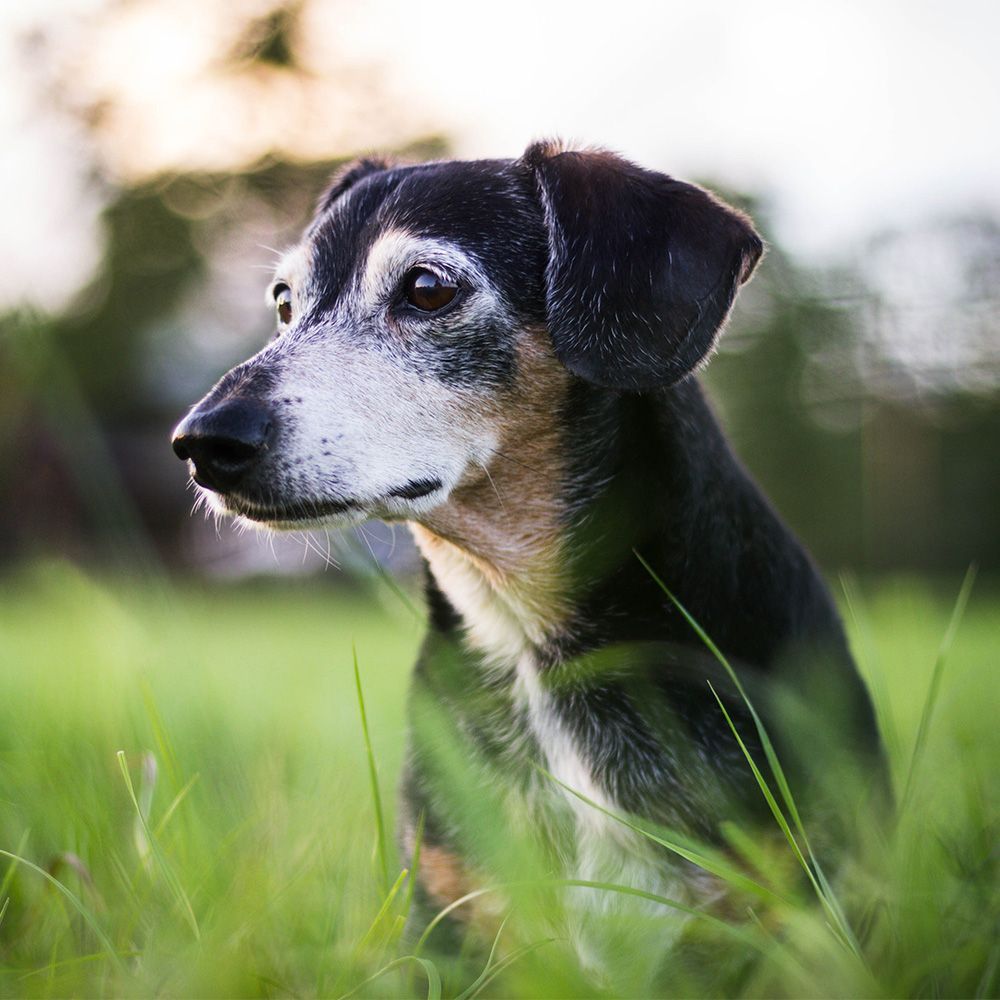
Depending on the breed, a dog or cat is considered a senior at around 7–10 years of age. Ageing itself is not a problem, but it increases the risk of many conditions that may initially be subtle and difficult to notice.
Because pets cannot tell us how they feel, the owner’s attentiveness plays a key role.
1. Changes in mobility and activity
Is your dog reluctant to jump into the car or onto the bed? Does it appear to limp during walks? Has your cat stopped jumping to the high places where it used to enjoy spending time?
Often owners think their pet is simply slowing down with age, but sometimes the reason may be osteoarthritis or another musculoskeletal pain condition. With modern treatments, nutritional supplements, and pain management, the quality of life of a senior pet can often be improved significantly.
2. Increased drinking and urination
If you notice that you need to refill the water bowl more often than before or that your pet has accidents indoors, it may be a sign of kidney failure, diabetes, or hormonal diseases such as Cushing’s syndrome. In some cases, dementia may also manifest through changes in eating and drinking habits.
These conditions are more common in ageing pets, and early diagnosis through blood and urine tests is important for successful treatment.
3. Changes in weight
Both weight gain and weight loss can be signs of illness. As metabolism slows down, pets may gain weight more easily, which places additional strain on already ageing joints and the heart. On the other hand, unexplained weight loss may indicate malabsorption disorders, hyperthyroidism (especially in cats), or cancer.
Senior diets are designed to meet the changing needs of an ageing body. If there are significant changes in weight, it is advisable to book a veterinary appointment in good time, so the underlying cause can be identified quickly.
4. Decline in senses and behavioural changes
Senior pets may develop cognitive disorders, often referred to as pet dementia. This can appear as getting lost at home, restlessness at night, or reduced social interaction. Declining hearing and vision can also affect a pet’s behaviour.
A veterinarian can help determine whether the behavioural changes are caused by pain or neurological factors.
5. Lumps and skin changes
While petting your pet, you may notice new lumps. Many lumps that appear with age are fatty lumps or benign tumours, but some may also be malignant changes.
The experts at Pups 'n Pets often recommend taking a fine-needle sample from new lumps on a case-by-case basis. This is a quick way to determine whether the change is harmless or whether it requires surgical treatment.
A dignified old age with the help of Pups 'n Pets
At Pups 'n Pets, we help ensure that your pet’s senior years are as comfortable and pain-free as possible. Our senior health check usually includes a thorough clinical examination as well as comprehensive blood tests (liver and kidney values, complete blood count, electrolyte levels, and thyroid value). Our skilled team treats every patient as if they were their own – with respect and genuine care.
We have veterinary clinics in Jätkäsaari and Kalasatama in Helsinki. Contact us and book an appointment for a senior health check, or whenever you notice changes in your pet’s health or behaviour.
You can also conveniently book an appointment online: